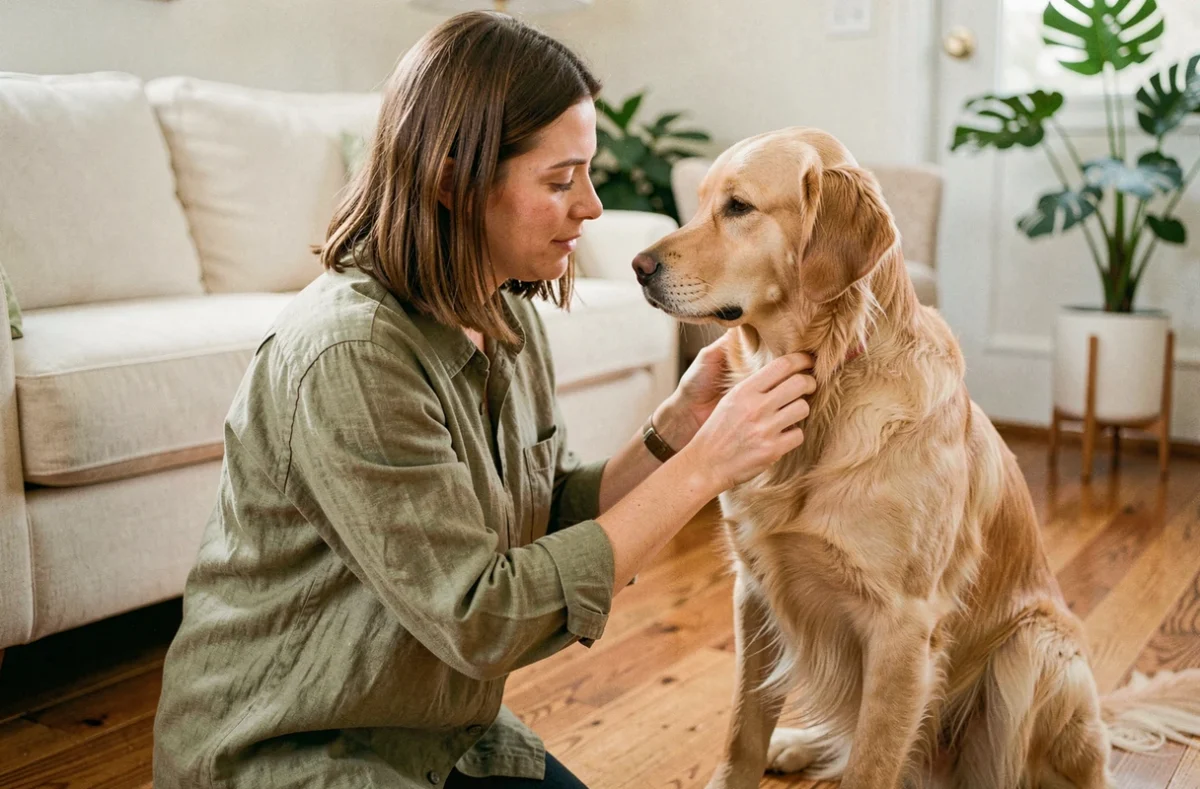
Taking care of a pet every day involves a range of practical steps covering nutrition, hygiene, parasite prevention and veterinary checkups. But one often-overlooked aspect is essential to the animal’s safety: traceability.
A dog or cat that is properly identified and whose owner’s contact details are up to date is far more likely to be reunited with its family if it runs away or gets lost. This article explains the practices that really matter, starting with this often-overlooked link in the chain of care.
I-CAD identification and traceability: the invisible care that makes all the difference
Microchip identification is mandatory in France for dogs and cats. Yet this requirement is still not widely known, particularly among cat owners. After all, a microchip with outdated contact details is useless.
The I-CAD database stores the details of every identified animal and links them to its owner. After moving, changing phone numbers or transferring ownership, the details must be updated directly on the I-CAD website. Without this update, a stray animal that is found cannot be traced back to its home.
Travel within the European Union comes with additional requirements: the animal must have a European pet passport issued by a veterinarian, a recognized form of identification (an ISO-compliant microchip) and a valid rabies vaccination. These travel documents cannot be prepared the day before departure, as rabies vaccinations take time to become valid after administration.
Visiting Amazing Pet Place’s pet care section can help you organize all your preventive care routines, including those related to identification and your pet’s administrative records.
Choosing the right food for your dog or cat’s age and species
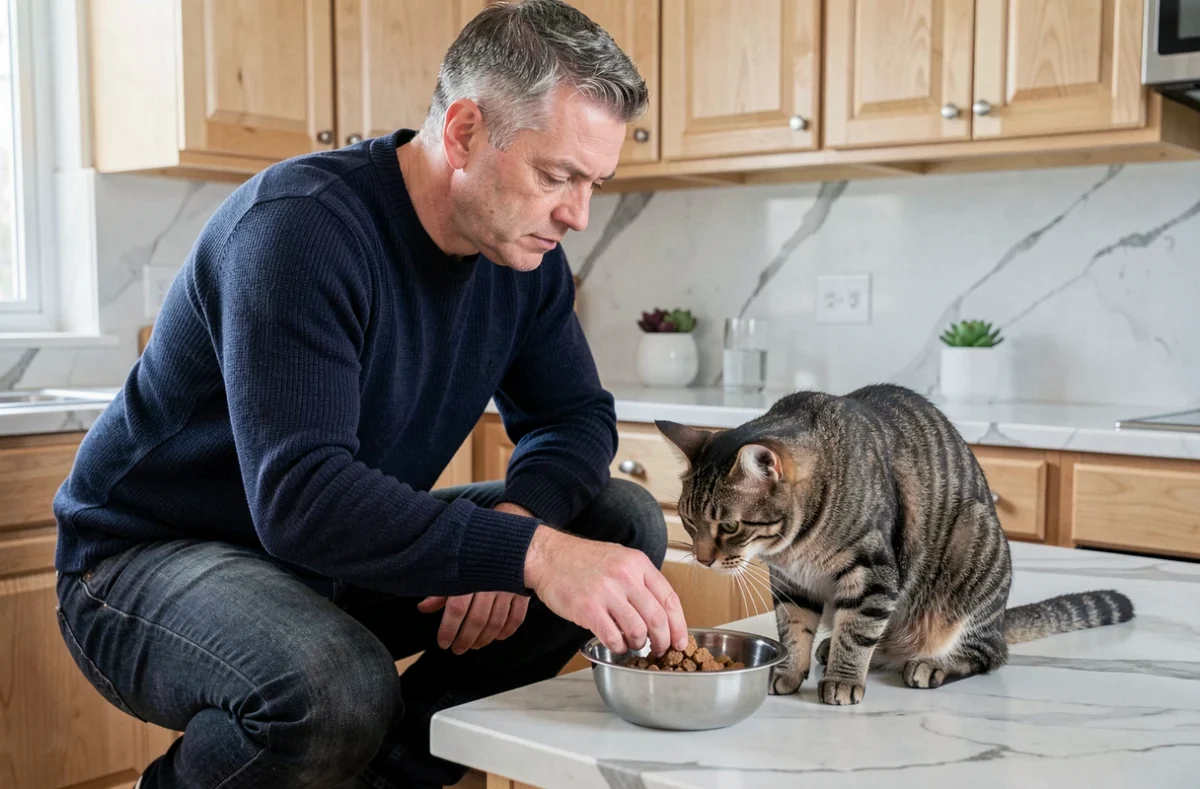
Nutrition is the first building block of long-term health. A growing puppy, an adult neutered cat and a senior dog do not have the same protein, fat or calorie requirements. Feeding every pet in the household the same kibble means overlooking these metabolic differences.
A suitable daily portion takes into account age, weight, activity level and health. An overweight pet puts extra strain on its joints and is at greater risk of diabetes and kidney problems. Conversely, an animal that does not get enough food loses muscle mass and vitality.
Practical tips for adjusting portions
- Weigh out daily portions instead of filling the bowl by eye, as the difference between a suitable serving and too many calories often comes down to just a few grams
- Feed adult dogs twice a day, and leave food out for cats to eat freely (unless they have been diagnosed as overweight)
- Avoid table scraps, which can unbalance their diet and expose them to toxic foods such as onions, chocolate and grapes
- Choose food suited to each life-stage transition: weaning, neutering or spaying, and entering the senior years
Your veterinarian is the best person to consult before changing your pet’s diet. Make the transition gradually over about ten days, mixing the old food with the new.
Everyday hygiene and parasite prevention
Daily hygiene involves more than just bathing. It includes targeted care for the areas where infections are most likely to develop: the mouth, ears, eyes and spaces between the paw pads.
Oral hygiene is a blind spot for many pet owners. Tartar builds up gradually and can cause gingivitis, tooth-root infections and, eventually, heart or kidney damage as bacteria spread through the body. Chew sticks or regular brushing with pet-safe toothpaste can help limit this buildup.
External and internal parasites: stick to a schedule
Antiparasitic treatments do not provide indefinite protection. Each product has a specific period of effectiveness, which varies depending on the active ingredient and how it is administered (spot-on treatment, tablet or collar). If treatment is delayed, fleas, ticks or intestinal worms can take hold during the gap.
- Check your pet after every walk in grassy or wooded areas for ticks and grass awns, which can get into the ears or between the toes
- Worm your pet regularly according to your veterinarian’s recommended schedule, tailored to its lifestyle (outdoor access, contact with other animals, children in the household)
- Wash bedding and food bowls frequently to limit the spread of flea larvae in the home

Veterinary checkups and vaccinations: tailor preventive care to every life stage
An annual veterinary visit is more than a formality. It gives the veterinarian a chance to assess your pet’s weight, heart, teeth, skin and general behavior. Some diseases show no visible symptoms until they have reached an advanced stage, making early detection through a clinical examination and blood tests particularly useful.
Vaccination protects against serious, sometimes fatal, diseases. For dogs, vaccination schedules generally cover distemper, infectious canine hepatitis, parvovirus and leptospirosis. For cats, feline panleukopenia and cat flu are among the core vaccinations. Rabies vaccination, which is mandatory for travel within the European Union, may also be required by some boarding facilities.
Spaying and neutering as preventive care
Spaying and neutering reduce the risk of certain health problems, including mammary tumors in female cats, uterine infections and roaming behavior in males. It also helps control animal populations, given the high number of pets abandoned each year in France.
Neutered pets tend to gain weight more easily. Their diet should therefore be adjusted after the procedure in consultation with a veterinarian.
Long-term pet health depends more on consistency than on complexity. An up-to-date microchip record in the I-CAD database, a measured daily portion, an antiparasitic treatment given on schedule and an annual veterinary visit provide a solid foundation for preventive care. One final habit to adopt: whenever your personal circumstances change, check that the contact details linked to your pet will still help someone get them home.