A dog is not just a simple receiver of commands: it retains more than 150 words, but what matters is consistency. As soon as the owner varies their tone or accompanies their command with a contradictory gesture, the message becomes confusing. Learning stretches out, frustration sets in, and bad habits take root. Consistency, on the other hand, paves the way for lasting companionship.
Reward-based approaches offer solid and lasting results, while punishments often provide only a counterproductive reprieve. Yet, many waver between encouragement and punishment, hindering their four-legged companion’s development.
Understanding your dog’s needs and language: the first step towards successful training
A puppy overflowing with energy, an adult marked by life: each dog has its personality, its experiences, its needs. These differences dictate their reactions and expectations. Engaging in an educational process means first recognizing this individuality. The dog is not a robot: it feels, adapts, and expresses itself in its own way.
To grasp canine behavior, one must be attentive to the subtle signals that reveal its state. Ears back, tail between the legs, averted gaze: every detail provides insight into its mood or apprehensions. A dog may suffer from the absence of its owner, display awkward behaviors, or reflect the tensions in the home. The owner, by being attentive, shapes the quality of their relationship day by day.
Above all, it is about meeting essential needs: exercising, meeting other dogs, discovering new environments, thinking through play. Dog training relies on direct commands, repeated and reinforced by encouragement. Initiating socialization early, both with peers and with household humans, helps avoid many troubles. Children, too, benefit from this presence, learning empathy and emotional balance.
Often, it is ignored needs or frustrated instincts that lead to learning difficulties or awkward behaviors. To better understand your dog, it is wise to rely on the expertise of professionals, such as those at attitudecanine.fr, thus building a relationship based on listening and mutual respect.
What are the essential principles for establishing a trusting relationship on a daily basis?
Building a trusting relationship with your dog is a daily task. This bond is shaped by clear gestures, a proper tone, and a consistent posture. Every interaction matters: the dog needs stable reference points and unambiguous communication. It is repetition, consistency, and predictability that establish security and trust.
Here are the foundations that support a harmonious relationship between the owner and their dog:
- Patience and observation: every animal learns at its own pace. Unexpected behavior often signals a misunderstanding or an unexpressed need. Knowing how to read body signals allows for method adjustments.
- Kindness and adaptation: combining firmness with gentleness and adjusting expectations to the animal’s sensitivity opens the way to a solid relationship.
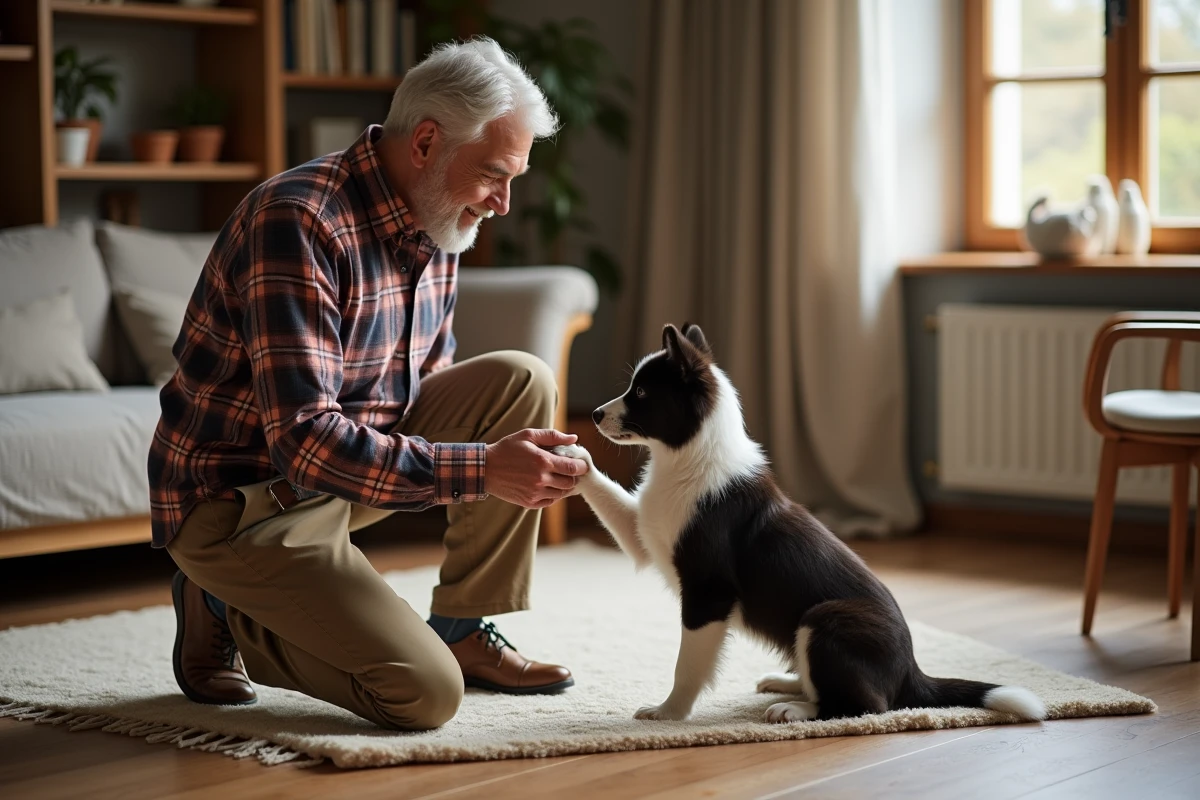
- Positive reinforcement: every good behavior deserves recognition. Praise, petting, small treats: these attentions strengthen trust, where punishment weakens it.
Calling on a qualified dog trainer, possessing the ACACED or a professional certificate, allows for tailored support that respects the animal. According to the CSA barometer, 93% of owners deem it necessary to train their dog: a sign that society now values a relationship based on trust and understanding.
When the relationship is based on consistency and listening, living with the dog becomes a balance where everyone finds their place.
Practical tips to strengthen harmony and complicity with your dog
Prioritize consistency and positive reinforcement
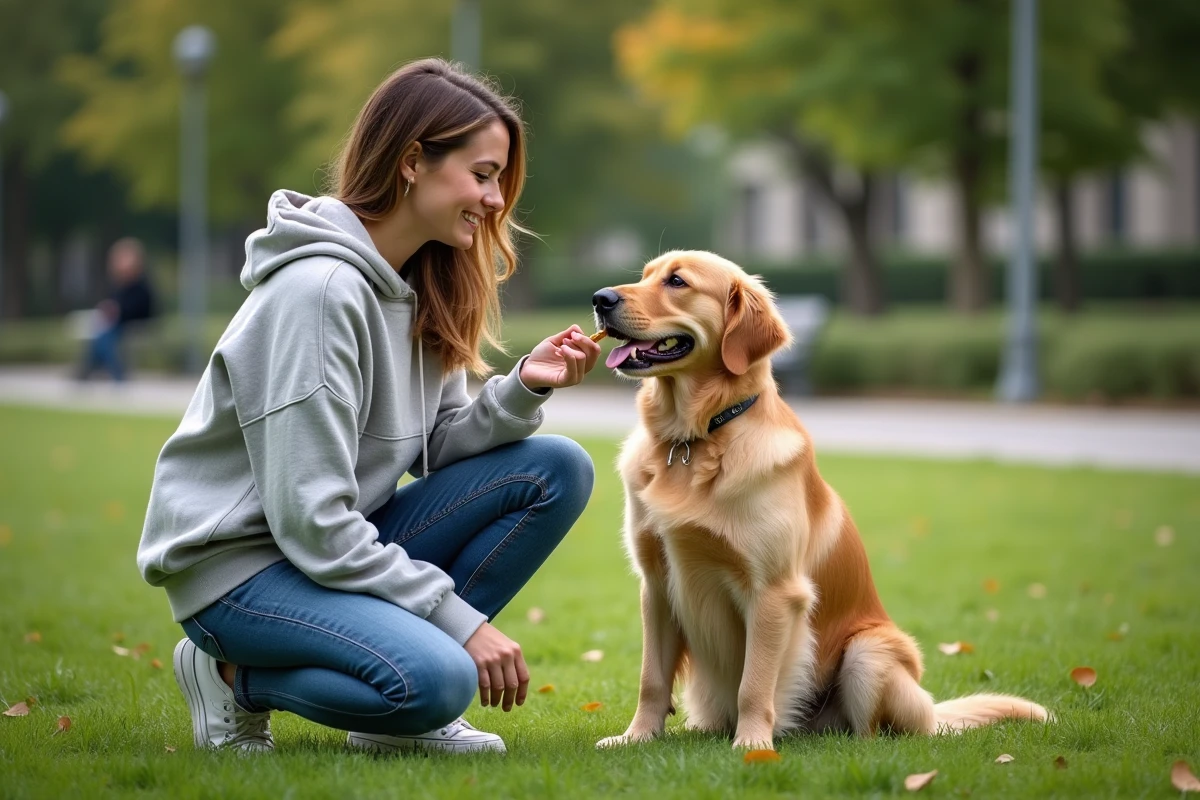
For dog training to bear fruit, consistency must guide every shared moment. Use the same words, avoid variations: the command “sit” remains “sit.” Basic commands like sit, down, come, stay, stop structure daily life and simplify exchanges. With every success, respond immediately with an appropriate reward: treat, petting, playtime, depending on the dog’s motivation. Positive reinforcement facilitates learning, limits the emergence of awkward behaviors, and reduces the animal’s stress.
To maintain interest and avoid monotony, here are some recommendations:
- Vary the rewards and adapt them to the context to avoid routine and keep your dog’s attention.
- If a mistake occurs, prefer negative punishment: turn away, withdraw attention, never resort to harshness.
Encourage socialization and shared activity
A fulfilled dog is, above all, a dog that discovers the world by your side. Multiply outings, expose it to different places, offer encounters with other dogs and varied humans. Introduce it to a sport or skill games: channeled energy strengthens the bond while promoting learning. The association between a command and the ensuing action is better imprinted in the dog’s memory through repetition and concrete experience.
Keep in mind that every progress, even minimal, deserves encouragement. Patience, combined with observation, allows for method refinement and mutual advancement. Through respect and adjustments, shared life takes on a serene turn, where trust is never a given but a daily conquest.