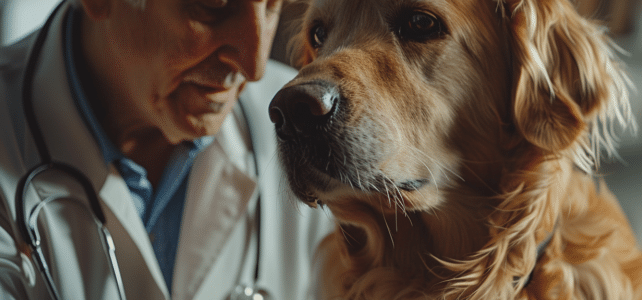
Respiratory problems in our canine companions are a source of concern for many owners. These symptoms can range from mild coughing to severe breathing difficulties, sometimes indicating underlying conditions such as bronchitis, pneumonia, or allergies. Early detection and appropriate treatment are crucial for the animal’s health. Owners should be attentive to signs such as wheezing, labored breathing, or lack of endurance. In response to these warning signals, consulting a veterinarian is essential for obtaining an accurate diagnosis and an effective treatment strategy, which may include medications, changes in the living environment, or management methods specific to the diagnosed condition.
Identifying Symptoms of Respiratory Problems in Dogs
Dog owners must remain vigilant for potential signs of respiratory disorders. Among the telling symptoms, coughing is at the top of the list. A dog that coughs should not be taken lightly, especially if the sound suggests that the animal is trying to expel something from its airways. If you think: ‘my dog is coughing as if something is stuck’, it’s time to consult a veterinarian.
Respiratory conditions can manifest through various clinical signs. Note the onset of breathing difficulties or dyspnea, which is characterized by abnormally labored or noisy breathing. These symptoms can occur in dogs of any age and are often more pronounced after exercise or during rest periods. Pay close attention to your pet: a change in behavior or a decrease in endurance may be indicators of lung diseases.
The causes of respiratory disorders in dogs are varied: viral or bacterial infections, parasites, tumors, allergic reactions, exposure to pollutants, heart failure, and even specific diseases such as tracheal collapse or kennel cough, caused by the Parainfluenza virus or the Bordetella bronchiseptica bacteria. The presence of these symptoms requires evaluation by a veterinary professional to determine the best therapeutic approach.
Older dogs may suffer from age-related pulmonary pathologies, while others may develop more serious conditions such as lung cancers. Every symptom, no matter how minor, should be taken seriously, as it may reflect an underlying disease. Early detection of these signs can make a difference in managing your dog’s respiratory health.

Prevention Strategies and Treatment Options
Take the necessary steps to protect your four-legged companion. Prevention is a fundamental step in combating respiratory diseases. It starts with vaccination, which is effective in countering conditions such as kennel cough. The available vaccines play a crucial role in preventing certain viral or bacterial infections that can affect our loyal friends’ airways. Regularly consult a veterinarian for a vaccination schedule tailored to your dog and its lifestyle.
In terms of treatment, several products stand out for their effectiveness in managing respiratory symptoms. Medications such as Respicat, Bronchoryl, and Pul Phyton are often recommended to reduce inflammation and facilitate breathing. These treatments, prescribed by a professional after an accurate diagnosis, can significantly improve the quality of life for animals suffering from respiratory disorders.
Knowledge of breed profiles can also be beneficial. Some breeds are predisposed to specific respiratory problems; this information proves valuable for anticipating and preventing risks. Pet insurance can also be an asset for covering necessary veterinary care without financially burdening owners. Maintaining a healthy environment, free from pollutants and allergens, contributes to the respiratory health of our dogs.